Dehydrated TenebrioInnovative Process and Diverse Applications
Dehydrated tenebrio is emerging as a revolutionary and sustainable source of nutrition in various sectors.
This process not only preserves the nutritional qualities of tenebrios, but also extends their shelf life, making them easier to store and transport.
PROCESS
dehydration
The tenebrio dehydration process is a meticulous technique that seeks to preserve its nutrients while removing moisture. The key steps in this process are detailed below:
Selection and Preparation: Tenebrios are carefully selected to ensure that only those in optimum condition are processed.
Cleaning: The selected tenebriums are cleaned to remove any residue or impurities. This step is important to ensure product hygiene and safety.
Dehydration Proper: The tenebrios are placed in industrial dehydrators where they are exposed to a flow of hot, dry air, always maintaining the essential nutrients.
Cooling and Packaging: Once dehydrated, the tenebrios are left to cool at room temperature. Afterwards, they are packaged to ensure their preservation and quality.
Quality Control: Before distribution, quality controls are performed to verify that the final product meets food safety, nutritional and taste standards.
This dehydration process allows the tenebrio to maintain a high content of proteins, vitamins and minerals, making it a valuable ingredient in different applications, from animal feed to human food.
Dehydration also offers the advantage of a long shelf life, facilitating storage and transportation.
BENEFITS
of Tenebrio Dehydrated
High Nutritional Value
- High Quality Protein: Live tenebrions contain approximately 50-60% protein in their dry weight, according to a study published in the Journal of Insects as Food and Feed. This high protein concentration makes them comparable to traditional sources such as beef or chicken.
- Essential Amino Acids: In addition, tenebrios provide all the essential amino acids necessary for the growth and maintenance of animal health.
Healthy Fats and Omega-3 Fatty Acids
- Source of Lipids: They contain about 20-30% of fats, with a significant presence of omega-3 and omega-6 fatty acids, beneficial for brain development and cardiovascular health of animals.
"Dried tenebrio is a sustainable and nutritious food source for animals. Rich in protein and healthy fats, including omega-3 and omega-6 fatty acids, it supports muscle development and maintains a healthy skin and coat."

Vitamins and Minerals
- Rich in Micronutrients: Tenebrios are a rich source of B vitamins, iron, magnesium, zinc, and calcium, essential for various body functions in animals.
Digestibility and Safety
- Easy Digestibility: A study in “Animal Feed Science and Technology” pointed out that tenebrios have high digestibility, which means that animals can efficiently take advantage of the nutrients they offer.
- Food Safety: Tenebrios are raised under controlled conditions, reducing the risk of foodborne illness compared to some traditional protein sources.
Sustainability and Efficiency
- Reduced Environmental Impact: Tenebrio farming has a much smaller carbon footprint than traditional livestock farming, according to an FAO report on “Edible Insects: Future Prospects for Food Security and Animal Feeding”.
- Efficiency in Food Production: They require fewer resources such as water and feed to produce the same amount of protein as cattle or poultry, making them a more sustainable and efficient option.
SECTORS OF INTEREST
for Tenebrio Dehydrate
ANIMAL FEED
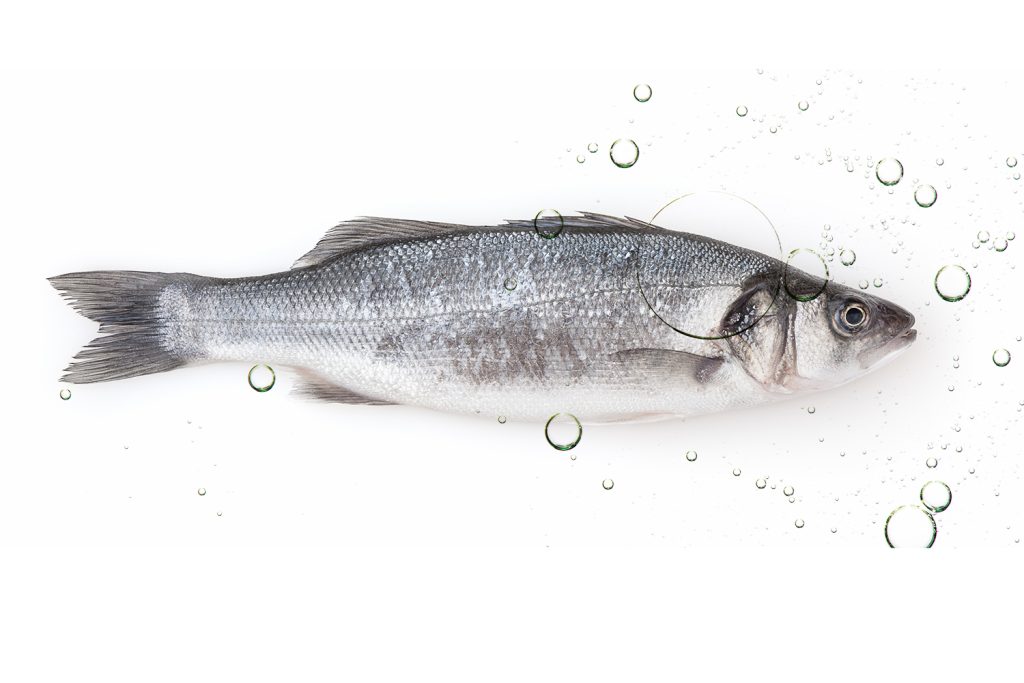
One of the main sectors that take advantage of dehydrated tenebrio is animal feed. Its high protein content makes it an ideal complement for pet, aquarium fish and farm animal diets.
Food Industry
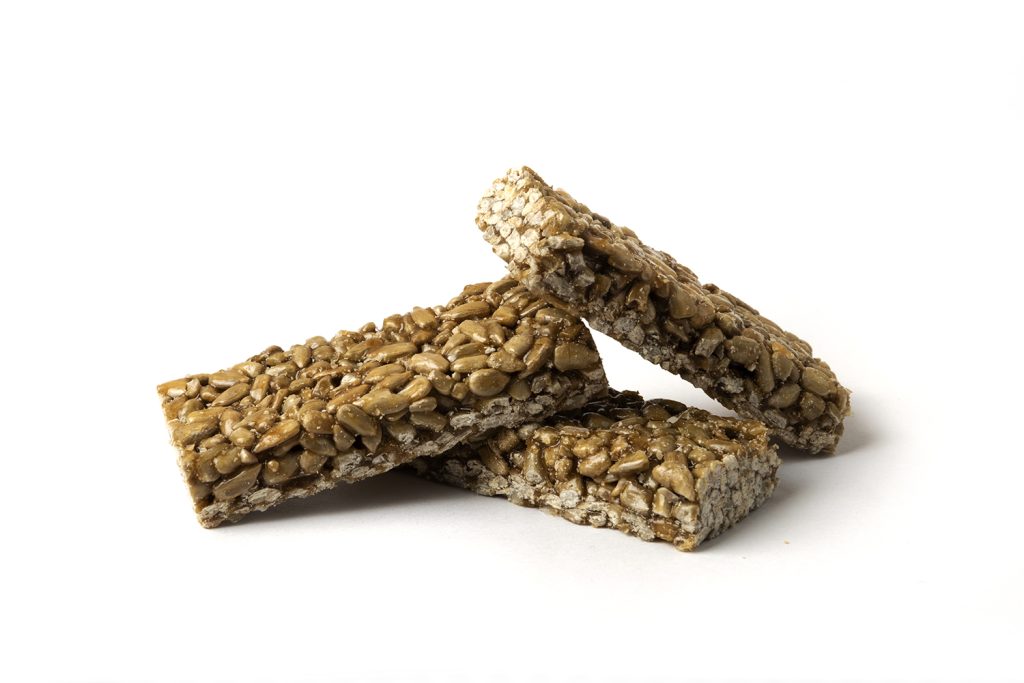
In the food industry, dehydrated tenebrio is being used as an innovative ingredient in products such as protein bars, flours and snacks. Its nutritional profile makes it attractive to consumers seeking alternative and sustainable protein options.
Cosmetics and Pharmaceuticals
In the cosmetic and pharmaceutical sectors, dehydrated tenebrio extracts are being explored for their beneficial properties, such as hair and skin strengthening, and their potential in dermatological treatments.