Tenebrio Flour:Sustainable Nutrition for the Future
Innovative and sustainable solution in the field of nutrition. This superfood, obtained from the transformation of tenebrio larvae, is revolutionizing the food and animal feed industries with its high protein value and commitment to environmental sustainability.
PROCESS OF OBTAINING
Tenebrio Flour
This process ensures the production of a high quality tenebrio meal with a rich nutritional profile suitable for a variety of applications, from animal feed to the food industry and other sectors seeking sustainable protein alternatives.
Screening: When the larvae reach their optimum size, they are screened.
This process is done manually or by automated systems that separate the larvae from their feeding residues and frass.
Cleaning and Preparation: The screened larvae are subjected to a cleaning process to remove any surface residue.
Subsequently, they are subjected to a water washing process to ensure the elimination of bacteria and other microorganisms.
Dehydration: Tenebrios are placed in industrial dehydrators where they are exposed to a flow of hot, dry air, always maintaining essential nutrients.
Grinding and Screening: The dehydrated larvae are ground in a process that transforms the dried larvae into a fine powder.
This powder is sieved to ensure a uniform texture and to remove any large particles.
Quality Control: Quality tests are performed to ensure that the flour meets nutritional and safety standards.
Aspects such as protein content, residual moisture, and the presence of contaminants are verified.
Packaging and Storage: Finally, tenebrio flour is packaged in conditions that preserve its quality.
It is stored in a cool, dry environment to maintain its nutritional properties until its final use.
SECTORS OF INTEREST
for Tenebrio Flour
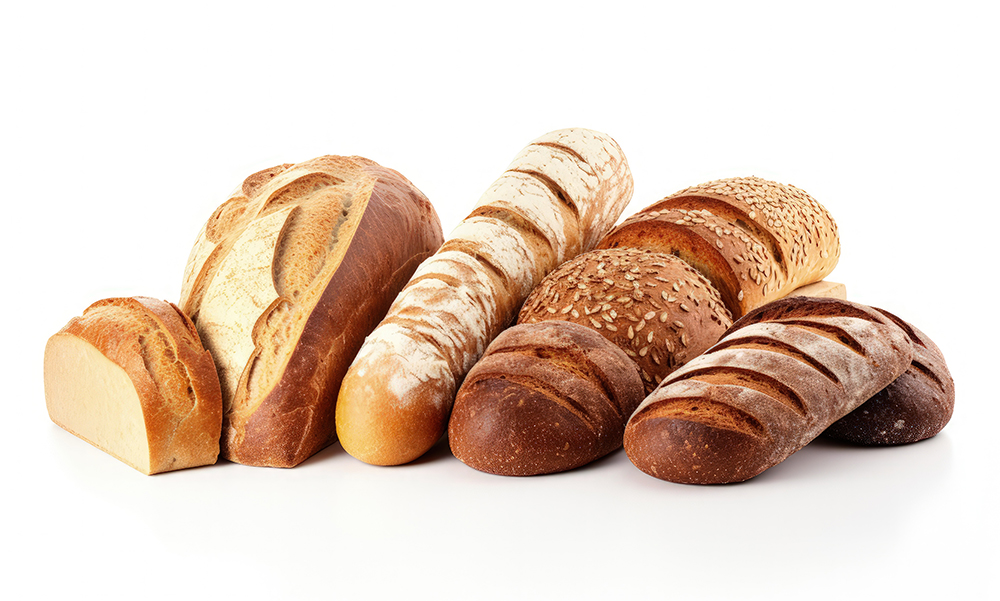
Food Industry
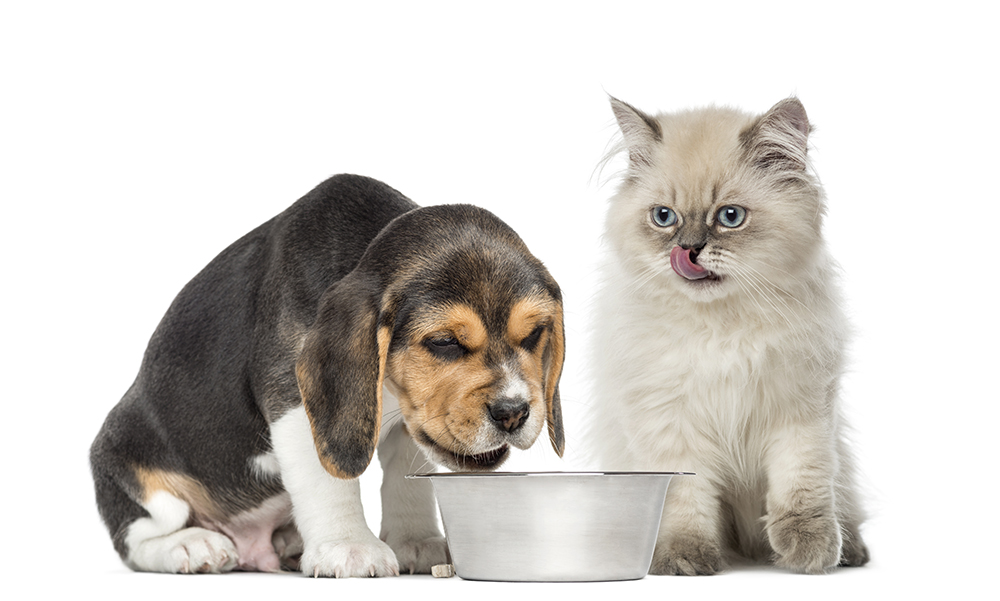
Animal Feed
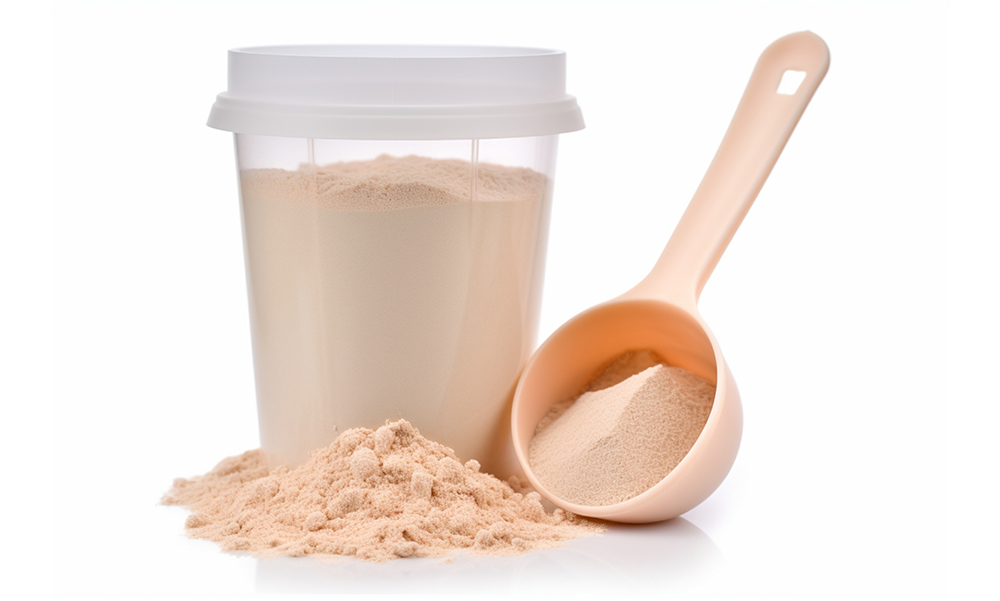
Cosmetics and Pharmaceuticals:
BENEFITS
of Tenebrio Flour
High Nutritional Value
- High-Quality Proteins: Live mealworms contain approximately 50–60% protein in their dry weight, according to a study published in the Journal of Insects as Food and Feed. This high protein concentration makes them comparable to traditional sources such as beef or chicken.
- Essential Amino Acids: In addition, mealworms provide all the essential amino acids required for growth and the maintenance of animal health.
Healthy Fats and Omega-3 Fatty Acids
- Lipid Source: They contain around 20–30% fat, with a significant presence of omega-3 and omega-6 fatty acids, which are beneficial for brain development and cardiovascular health in animals.

"Mealworm Meal emerges as an innovative and sustainable feed source for animals, offering a unique combination of high nutritional value, digestibility and environmental benefits. Its incorporation into animal diets represents an opportunity to improve animal health and welfare, while addressing environmental concerns associated with traditional feed production."
Vitamins and Minerals
- Rich in Micronutrients: Mealworms are a rich source of B vitamins, iron, magnesium, zinc, and calcium—essential for various bodily functions in animals.
Digestibility and Safety
- Easy Digestion: A study published in Animal Feed Science and Technology noted that mealworms have high digestibility, meaning animals can efficiently absorb and utilize the nutrients they provide.
- Feed Safety: Mealworms are raised under controlled conditions, reducing the risk of foodborne diseases compared to some traditional protein sources.
Sustainability and Efficiency
- Reduced Environmental Impact: Mealworm farming has a significantly lower carbon footprint compared to traditional livestock farming, according to a FAO report on Edible Insects: Future Prospects for Food and Feed Security.
- Food Production Efficiency: They require fewer resources such as water and feed to produce the same amount of protein as livestock or poultry, making them a more sustainable and efficient option.