Live Mealworm:A Sustainable Source of Nutrition
Live mealworm, commonly known as the flour worm, is gaining popularity as a sustainable and nutritious food source.
BENEFITS
of Live Mealworm
High Nutritional Value
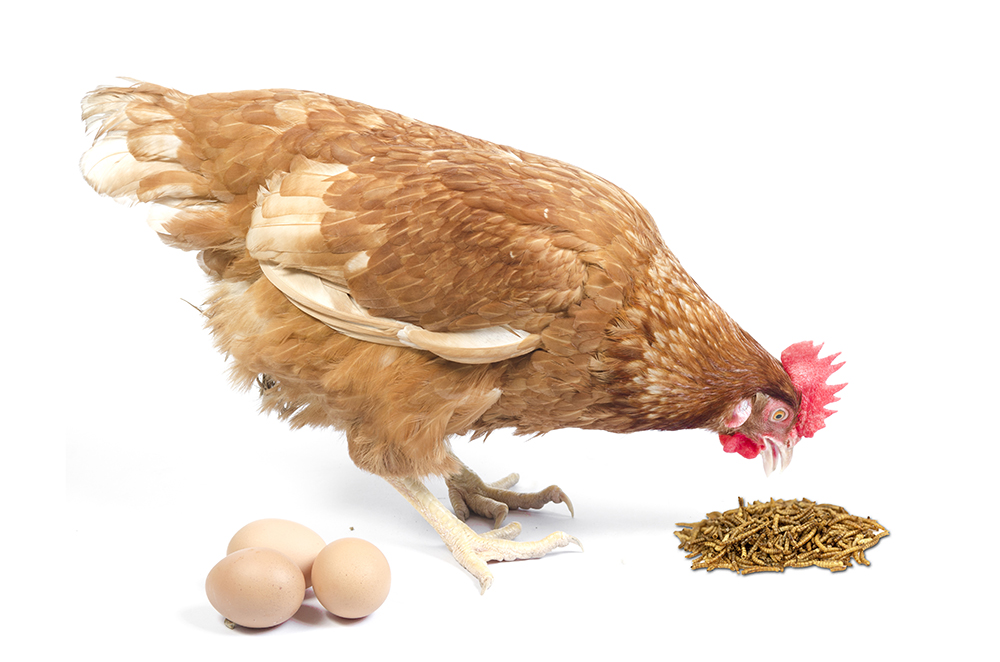
- High-Quality Proteins: Live mealworms contain approximately 50–60% protein in their dry weight, according to a study published in the Journal of Insects as Food and Feed. This high protein concentration makes them comparable to traditional sources such as beef or chicken.
- Essential Amino Acids: In addition, mealworms provide all the essential amino acids required for growth and the maintenance of animal health.
Healthy Fats and Omega-3 Fatty Acids
- Lipid Source: They contain around 20–30% fat, with a significant presence of omega-3 and omega-6 fatty acids, which are beneficial for brain development and cardiovascular health in animals.

Live mealworm is emerging as an innovative and sustainable food source for animals, offering a unique combination of high nutritional value, digestibility, and environmental benefits. Its inclusion in animal diets represents an opportunity to improve animal health and well-being while addressing environmental concerns associated with traditional food production.
Vitamins and Minerals
- Rich in Micronutrients: Mealworms are a rich source of B vitamins, iron, magnesium, zinc, and calcium—essential for various bodily functions in animals.
Digestibility and Safety
- Easy Digestion: A study published in Animal Feed Science and Technology noted that mealworms have high digestibility, meaning animals can efficiently absorb and utilize the nutrients they provide.
- Feed Safety: Mealworms are raised under controlled conditions, reducing the risk of foodborne diseases compared to some traditional protein sources.
Sustainability and Efficiency
- Reduced Environmental Impact: Mealworm farming has a significantly lower carbon footprint compared to traditional livestock farming, according to a FAO report on Edible Insects: Future Prospects for Food and Feed Security.
- Food Production Efficiency: They require fewer resources such as water and feed to produce the same amount of protein as livestock or poultry, making them a more sustainable and efficient option.
ADVANTAGES
of Live Mealworm
The consumption of live mealworms by animals offers numerous benefits, both from a nutritional standpoint and in terms of overall improvements to their health and well-being.
Nutritional Contribution
As previously mentioned, mealworms have a high protein content; they are a rich source of protein, essential for growth, tissue repair, and the overall maintenance of animal health.
It also has Essential Amino Acids necessary for numerous biological functions in animals and Healthy Fats such as omega-3 and omega-6 fatty acids that are essential for brain and cardiovascular function.
Another great contribution is that of a variety of vitamins (such as group B) and minerals (such as iron, zinc, magnesium, calcium), essential for the correct functioning of the organism.

Improvements in Animal Health and Welfare
- Improved Digestibility: Tenebrios are easily digestible, which facilitates better absorption and utilization of nutrients.
- Strengthening the Immune System: Proper nutrition provided by tenebrios can strengthen the immune system of animals, making them more resistant to disease.
- Improved Animal Product Quality: In the case of production animals, such as poultry or fish, consumption of tenebrios can improve the quality of their products, such as eggs and meat, both in terms of taste and nutritional value.
- General Welfare: A balanced diet that includes tenebrios can contribute to the general welfare of the animals, reflected in their behavior and physical appearance.

THE BREEDING
of Live Mealworm
The living tenebrio represents an innovative and sustainable opportunity in the field of food and agriculture. Their breeding and utilization offer a promising solution to today's environmental and nutritional challenges.
Contribution to the Circular Economy: By feeding on organic by-products, tenebrios help reduce waste and promote the reuse of resources.
Environmental Sustainability: Tenebrio farming has a lower environmental impact compared to traditional animal protein production, which contributes to the conservation of natural resources.
Cost Reduction: For producers, raising tenebrios can be more cost effective than other protein sources.
SECTORS OF INTEREST
for Tenebrio Vivo
ANIMAL FEED
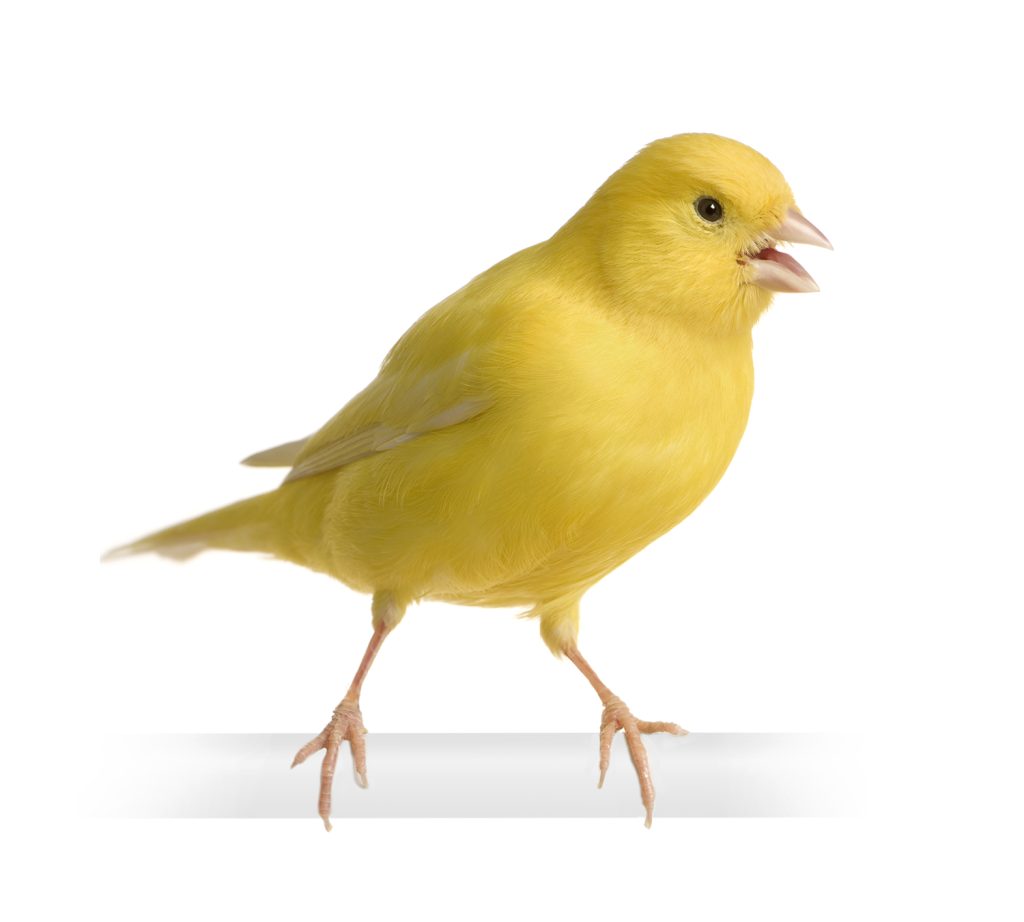
Pets and Domestic Birds
Commercial Poultry
In commercial poultry farming, live tenebrio is becoming a popular component of poultry feed. Its high content of protein and essential fats contributes to healthy growth and improved meat and egg quality.
It can be supplied, among others, in farms of:
- Chickens and Hens
- Turkeys
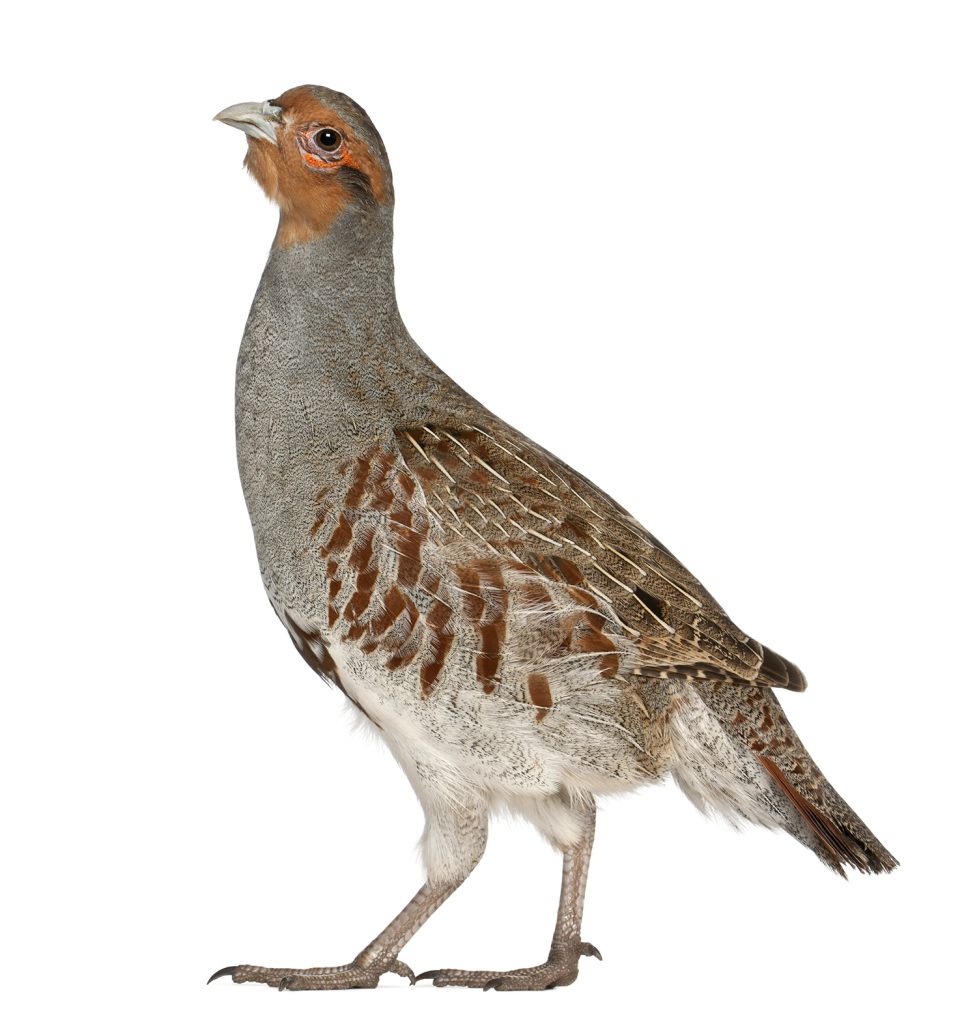
- Partridges and Quail
- Pheasants
- Pigeons and Pigeons
Sustainable and Organic Poultry Farming
- Organic Farms: Farms practicing organic and sustainable poultry farming use live tenebrio as a natural and environmentally friendly source of protein, in line with the principles of sustainability and animal welfare.
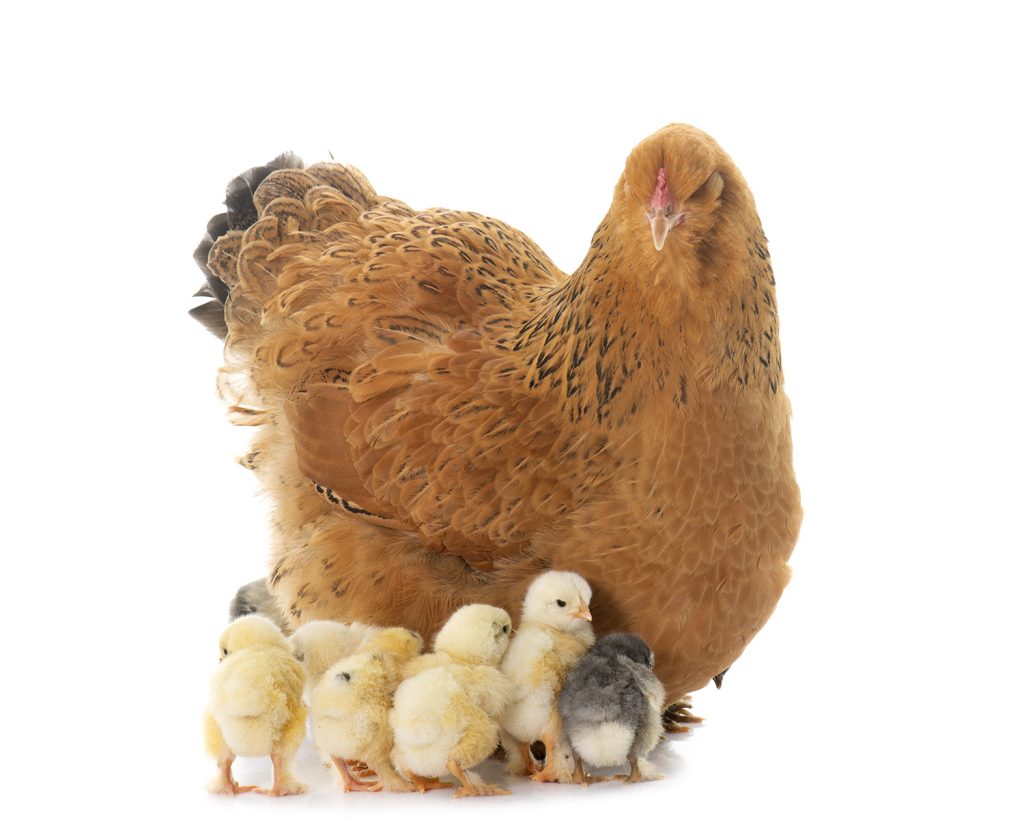
- Small Farms: Small producers and urban gardeners, who often keep poultry such as chickens, find live tenebrio a convenient and nutritious food source that is easy to store and handle.
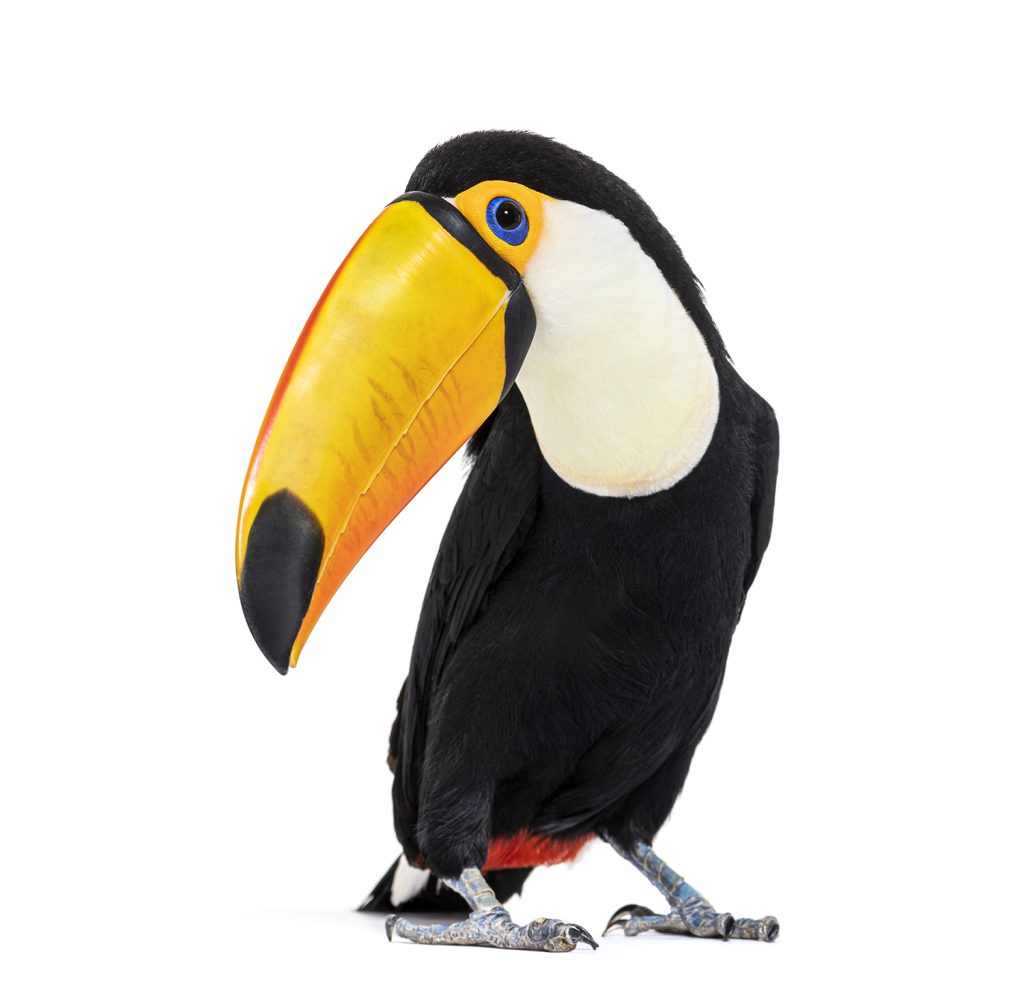
Exotic and Zoo Birds
- Zoos and Aviaries: live tenebrio is used to provide a varied and enriched diet, essential for maintaining the health and natural behavior of these birds.
- Bird Rehabilitation: Bird recovery centers use live tenebrio to feed injured or recovering birds, taking advantage of its high nutritional value to aid in the healing process.
Agriculture and Composting

Research and Development
Education and Awareness